Skin tags are small, soft, harmless growths that hang from the skin. They are very common, especially in adults, and most never need treatment. If a skin tag is irritated, catches on clothing or jewelry, or simply bothers you, our board-certified dermatologists can remove it quickly in the office. We see patients from North Dallas, Preston Hollow, Highland Park, University Park, Lake Highlands, White Rock and Richardson.
What Are Skin Tags?
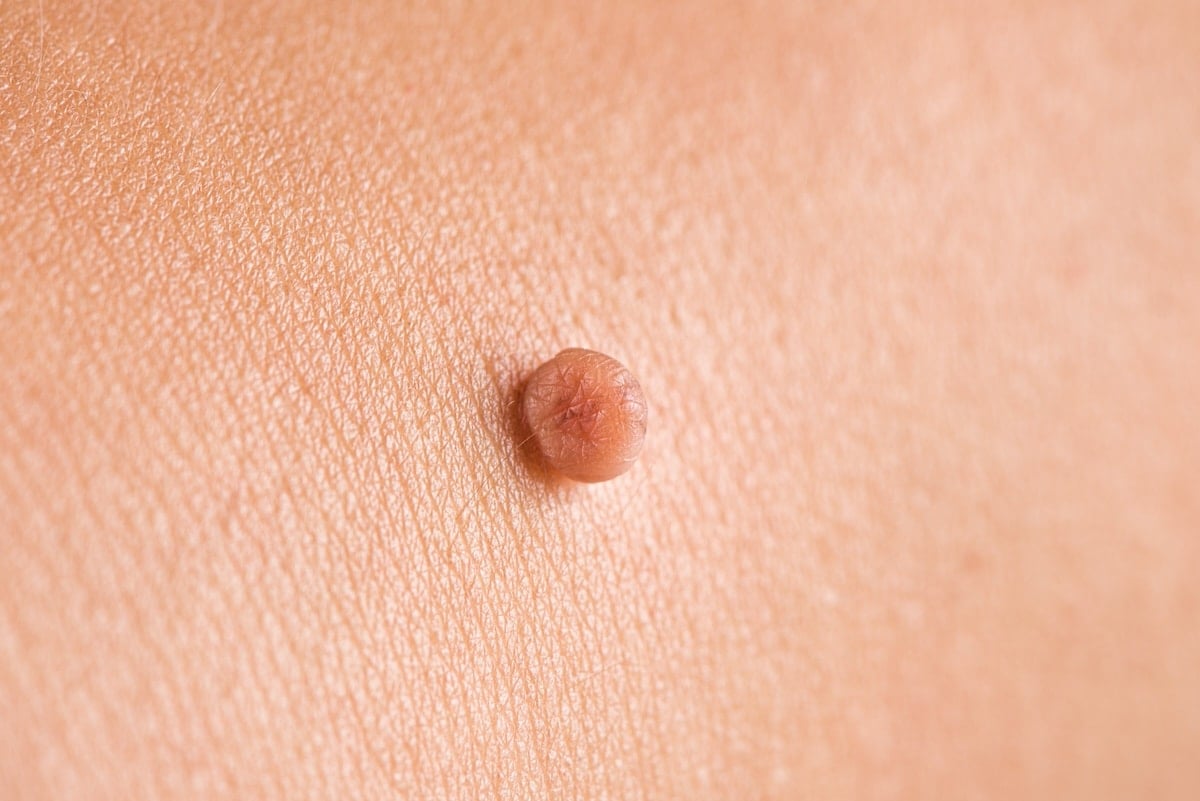
Skin tags, known medically as acrochordons, are benign growths of skin that are usually attached by a thin stalk. They are typically skin-colored or slightly darker, and range from the size of a pinhead to, less often, larger than a grape. Most are painless, but they can become sore or bleed if they are rubbed, twisted or snagged.
Where Do Skin Tags Appear?
Skin tags can form anywhere, but they are most common where skin rubs against skin or clothing:
- Neck
- Armpits
- Eyelids
- Under the breasts
- Groin and inner thighs
What Causes Skin Tags?
The exact cause isn’t known, but friction appears to play a role. Skin tags become more common with age and are seen more often in people who are overweight, have diabetes or insulin resistance, or are pregnant. They also tend to run in families. Skin tags are not contagious.
Is It a Skin Tag?
Other growths can look similar, including warts, moles, seborrheic keratoses and, rarely, skin cancer. A dermatologist can usually confirm a skin tag with a quick exam. Have a growth checked if it changes color, grows quickly, bleeds without being injured, or looks different from your other skin tags.
Skin Tag Removal
Skin tags don’t need to be removed for health reasons, but removal is simple when they are bothersome. Depending on the size and location, your dermatologist may:
- Snip it off with sterile surgical scissors, often after numbing the area.
- Freeze it with liquid nitrogen (cryotherapy), which works well for small tags.
- Use electrocautery, a small electrical current that removes the tag and seals the skin.
Several skin tags can often be treated in one visit. Afterward, keep the area clean and follow your provider’s aftercare instructions, which often include applying petroleum jelly and a bandage until it heals.
Why Not Remove Skin Tags at Home?
Cutting, tying off or using over-the-counter products on skin tags at home can cause bleeding, infection and scarring. There is also a risk of treating something that isn’t actually a skin tag. Having a dermatologist evaluate and remove it is safer, especially near the eyes or in sensitive areas.
Can You Prevent Skin Tags?
There is no sure way to prevent them, but reducing friction from tight clothing or jewelry and keeping a healthy weight may help limit new ones.
Frequently Asked Questions About Skin Tags
A skin tag that has been removed usually does not grow back. However, new skin tags can form in the same area or elsewhere, especially in people who are prone to them.
Warts, moles, seborrheic keratoses and, rarely, skin cancer can look like skin tags. A dermatologist can tell the difference with an exam and will recommend a biopsy if anything looks unusual.
Most people feel only brief discomfort. Small tags can often be removed quickly, and a local anesthetic may be used for larger tags or several at once.
Small removal sites usually heal within about one to two weeks. Your provider will give you aftercare instructions for your specific treatment.
Skin tag removal is often considered cosmetic and may not be covered, unless the tag is irritated, bleeding or otherwise medically necessary to remove. Coverage depends on your plan, so please check with your insurance company or call our office.
Our board-certified dermatologists can confirm that a growth is a skin tag and remove it in the office using the method that best fits its size and location, with attention to comfort and minimal scarring.
Ready to have a skin tag checked or removed? Schedule an appointment or call (214) 420-7070. Learn more about our medical dermatology services, including cyst evaluation and removal.