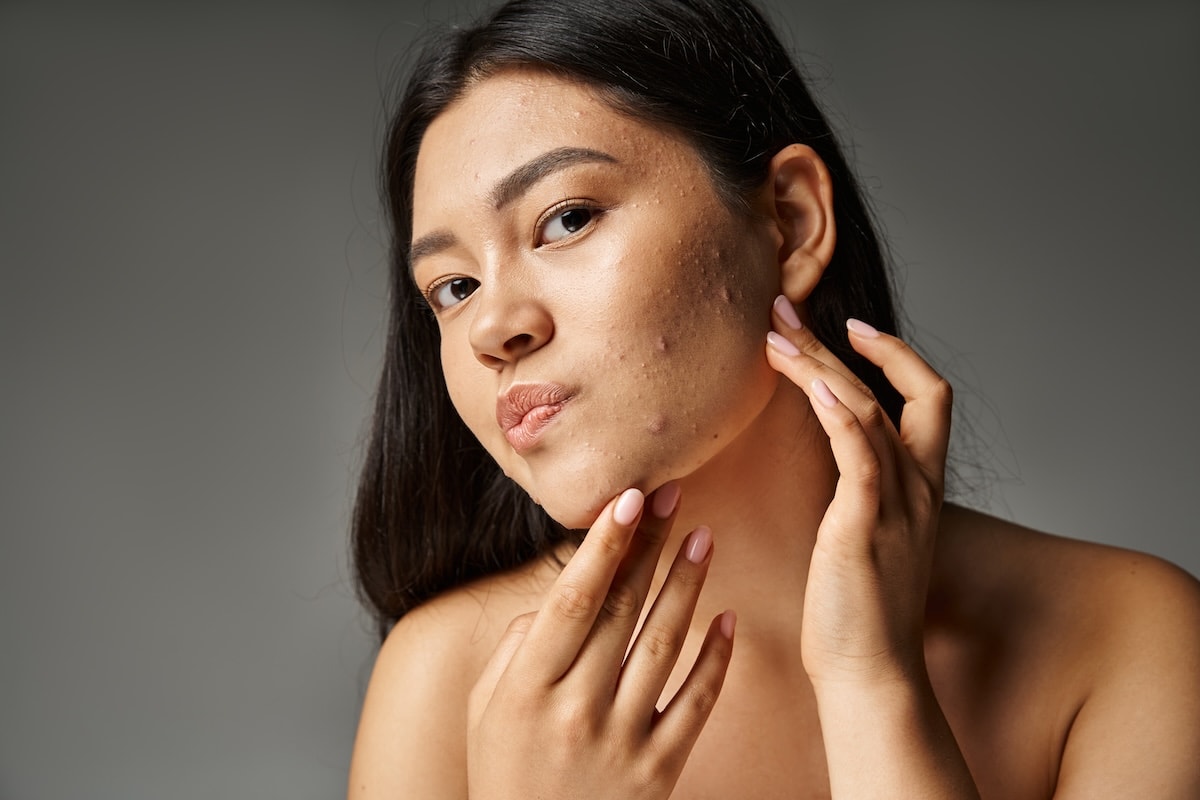
Acne is the most common skin condition in the United States, and it isn’t only a teenage problem. Many adults, especially women in their 20s, 30s and 40s, deal with breakouts too. At North Dallas Dermatology Associates, our board-certified dermatologists and physician assistants find out what is driving your acne and build a treatment plan to clear active breakouts, prevent new ones and lower your risk of scarring.
Acne care is part of our medical dermatology practice. We see patients of all ages at our office on Walnut Hill Lane, serving North Dallas, Preston Hollow, Highland Park, University Park, Lake Highlands, White Rock and Richardson.
What Causes Acne?
Acne starts in the hair follicles, or pores. Four things work together: excess oil (sebum), dead skin cells that clog the pore, acne-causing bacteria (Cutibacterium acnes) and inflammation. Hormones, genetics, some medications, pore-clogging skin and hair products, friction from helmets, masks or sports gear, and stress can all make breakouts worse.
Types of Acne We Treat
- Comedonal acne: blackheads and whiteheads, or clogged pores without much redness.
- Inflammatory acne: red bumps (papules) and pus-filled pimples (pustules).
- Nodular and cystic acne: deep, painful lumps under the skin. These are the most likely to scar and usually need prescription treatment.
- Hormonal acne: breakouts along the jawline, chin and lower face that often flare with the menstrual cycle.
- Body acne: breakouts on the chest, back and shoulders.
- Teen and adult acne, including acne that appears for the first time in adulthood.
Some conditions look like acne but need different treatment. Redness, flushing and bumps in the center of the face may be rosacea, and a single deep lump that keeps coming back may be a cyst. An accurate diagnosis is the first step.
How Our Dermatologists Treat Acne
There is no single best acne treatment. Most patients do best with a combination, and the right mix depends on the type and severity of your acne, your skin type, your health history and your goals. Most prescription treatments take about two to three months to show their full effect, so we schedule follow-up visits to adjust your plan as your skin responds.
Prescription Topical Treatments
For mild to moderate acne, treatment usually starts with prescription creams, gels or lotions. These include retinoids such as tretinoin and adapalene to unclog pores, benzoyl peroxide to reduce acne bacteria, topical antibiotics used together with benzoyl peroxide, azelaic acid, and newer options such as clascoterone, a topical that blocks hormones at the oil gland.
Oral Medications
Moderate to severe acne often needs medication taken by mouth:
- Oral antibiotics such as doxycycline or minocycline calm inflammation. We prescribe them for a limited time and pair them with topical treatment to help prevent antibiotic resistance.
- Spironolactone is a common choice for adult women with hormonal acne. It reduces the effect of androgen hormones on the oil glands.
- Hormonal birth control approved for acne can help women whose breakouts follow their cycle.
- Isotretinoin (once sold as Accutane) is the most effective treatment for severe, cystic or scarring acne and for acne that hasn’t responded to other treatments. Many patients get long-lasting clearance from a single course. Because it needs close monitoring, isotretinoin is prescribed through the FDA’s iPLEDGE program with regular follow-up visits.
In-Office Acne Treatments
Treatments in our office can speed up results and work alongside your prescription plan:
- Chemical peels loosen clogged pores and calm breakouts on the face, chest or back. A light peel is often combined with professional extractions to safely clear blackheads and whiteheads.
- Clarity II laser treatment can help clear active acne by reducing oil production and inflammation, and also fades the dark marks acne leaves behind.
- Intense Pulsed Light (IPL) targets the redness and discoloration that can linger after breakouts heal.
- HydraFacial and our medical-grade facial treatments deep-clean pores and support your home routine.
Acne in Teens and Children
Acne often begins between the ages of 10 and 13. Treating it early means fewer scars and less impact on a young person’s confidence. Our pediatric dermatology care is led by Nnenna Agim, MD, FAAD, and we build plans that fit around school, sports and a teen’s daily routine.
Acne in Skin of Color
In medium and darker skin tones, acne often leaves dark spots (post-inflammatory hyperpigmentation) that can last months longer than the breakouts themselves. We choose treatments, and laser settings, with your skin tone in mind and treat the dark marks as part of your plan.
Preventing and Treating Acne Scars
The best way to prevent acne scars is to treat acne early, especially deep nodules and cysts, and to avoid picking or squeezing. If acne has already left scars, our acne scar treatment options include RF microneedling, CO2 laser resurfacing, Derma PRP, Restylane fillers and silicone injection treatment, depending on the type of scar.
Is Acne Treatment Covered by Insurance?
Acne is a medical condition, so office visits and prescription treatment are often covered by health insurance. Cosmetic procedures such as chemical peels, facials and laser treatments are usually self-pay. See our list of accepted insurance plans or call us at (214) 420-7070 with questions about your coverage.
What to Expect at Your First Acne Appointment
Your provider will examine your skin and ask about your skincare routine, medications, past acne treatments and, for women, your menstrual cycle. It helps to bring a list of the products and medications you have already tried. You will leave with a treatment plan, and prescriptions if you need them.
Before and After Photos


Frequently Asked Questions About Acne
Acne is a chronic condition, but it can almost always be controlled with the right treatment. For severe acne, a course of isotretinoin can lead to long-term clearance for many patients.
See a dermatologist if over-the-counter products haven’t helped after two to three months, if your acne is deep or painful, if it is leaving scars or dark marks, or if it is affecting your confidence. Treating acne early lowers the risk of scarring.
Most prescription acne treatments take about two to three months to show their full effect. Some, like topical retinoids, can cause a little dryness or a brief flare at first, so keep using them as directed and check in with your provider.
Office visits and prescription treatment for acne are often covered by health insurance because acne is a medical condition. Cosmetic procedures such as peels, facials and lasers are usually self-pay. Check our accepted insurance page or call (214) 420-7070.
Isotretinoin is very effective for severe acne and is safe for most patients when it is properly monitored. Dry skin and lips are common side effects. Because it causes serious birth defects, it is prescribed through the FDA’s iPLEDGE program with regular visits. Your dermatologist will review the risks and benefits with you.
Spironolactone is well tolerated by most healthy women and can be used long term for hormonal acne. It is not used during pregnancy. Your provider will review your health history and let you know whether any monitoring is needed.
Diet is not the main cause of acne, but some research links high-sugar, high-glycemic foods and dairy, especially skim milk, to more breakouts in some people. If you notice a pattern, mention it at your visit.
Yes. NDDA offers several acne scar treatments, including RF microneedling, CO2 laser resurfacing, Derma PRP, Restylane fillers and silicone injection treatment. The best option depends on the type and depth of your scars.
Use a gentle cleanser, an oil-free moisturizer and a non-comedogenic sunscreen every day. NDDA also carries products such as SkinCeuticals Blemish + Age Defense and iS Clinical Pro-Heal Serum Advance+, available in our online shop.
Ready for clearer skin? Schedule an appointment online or call (214) 420-7070 to see one of our dermatologists and physician assistants. Browse acne-friendly skincare in the NDDA shop.